The Allure of Risk and Reward
The psychology of gambling often revolves around the thrilling blend of risk and reward. It is this sensation that pulls many individuals into the gambling world. Each bet placed carries an implicit promise of potential gain, tapping into our innate desire for instant gratification. The excitement peaks as players revel in the prospect of winning a jackpot, serving as a seductive allure that triggers a rush of adrenaline and a temporary escape from mundane life. Those seeking quick rewards might prefer an online casino fast withdrawal uk experience, as this cycle of anticipation is what makes gambling so enticing.
Furthermore, the dynamics of loss and gain are intriguing. When players experience a loss, it can lead to a phenomenon known as “chasing losses,” where individuals gamble more in hopes of recouping their earlier defeats. This behavior is deeply rooted in psychology; individuals often convince themselves that their luck will change. The cognitive dissonance created in this cycle keeps players engaged, often against their better judgment. As they continue to gamble, they may rationalize their choices, believing that a win is just around the corner, further entrenching them in this cycle.
Additionally, the social environment surrounding gambling contributes to its psychological appeal. Gambling venues are designed to create an immersive experience, enticing players to stay longer. The ambient sounds of slot machines, the allure of bright lights, and the communal atmosphere foster a sense of belonging and excitement. This social interaction can reinforce positive feelings associated with gambling, deepening the psychological grip it has on individuals seeking connection and entertainment. The very design of these spaces plays a significant role in encouraging prolonged engagement and repeated visits.
The Role of Cognitive Biases
Cognitive biases play a crucial role in the psychology behind gambling. One common bias is the “gambler’s fallacy,” where individuals believe that past outcomes affect future results. For instance, if a player observes a series of losses, they may erroneously think that a win is imminent, thus increasing their investment. This misconception highlights how our mental frameworks can distort reality, often leading us to make irrational decisions based on unstable beliefs. Such biases can create an illusion of control over inherently random outcomes.
Another significant bias is known as “overconfidence.” Gamblers often overestimate their skills and the accuracy of their predictions, assuming they possess some control over unpredictable outcomes. This overconfidence can lead individuals to take higher risks than they normally would, fueled by an inflated sense of their own capabilities. This psychological trap not only fosters continued gambling but can also result in significant financial losses as players bet larger amounts based on perceived expertise. The interplay of confidence and risk-taking can be a dangerous combination.

Moreover, the “illusion of control” is another cognitive bias prevalent among gamblers. Players often believe they can influence outcomes, especially in games perceived as skill-based. This false sense of control can lead to greater participation in gambling activities, fueling the belief that strategic decisions can enhance their chances of winning. The combination of these cognitive biases illustrates how our perception can manipulate behavior, keeping us entrenched in the world of gambling. Understanding these biases is crucial for recognizing when they may be influencing one’s decisions.
Emotional Factors Influencing Gambling
The emotional landscape surrounding gambling is multifaceted and powerful. Many individuals turn to gambling as a means of escape from stress, anxiety, or depression. This behavior can be viewed as a coping mechanism, allowing players to momentarily forget their troubles and immerse themselves in a world of potential fortune. The emotional highs and lows experienced during gambling can provide a temporary reprieve, even if the underlying issues remain unresolved. The thrill of the game can momentarily overshadow personal difficulties, creating an illusion of relief.
Additionally, the thrill of gambling often triggers the release of dopamine, a neurotransmitter associated with pleasure and reward. This biochemical reaction can create a cycle in which players chase that initial high, leading them to gamble more frequently. As they become accustomed to these spikes in dopamine, the need for larger bets or riskier games can develop as individuals seek to replicate the euphoria previously felt, regardless of the financial consequences. This cycle of addiction can be difficult to break, as the brain begins to associate gambling with pleasure.
Furthermore, the power of identity can significantly influence gambling behavior. Many individuals may associate their self-worth with their ability to win or lose, leading to an emotional rollercoaster that can impact their overall mental health. When gambling becomes intertwined with personal identity, a loss may feel not just like a financial setback, but a failure on a personal level. This emotional attachment can perpetuate further gambling, as individuals strive to reclaim their perceived place and success within a gamble-centric identity. The intertwining of self-esteem and gambling outcomes can create a complex web of psychological challenges.
The Impact of Environment and Social Influence
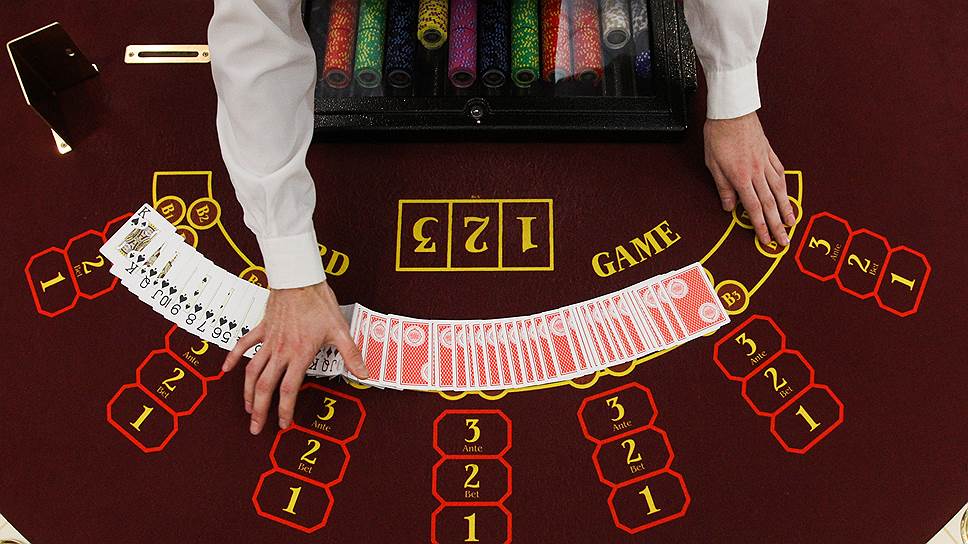
The environment in which gambling occurs can heavily influence the propensity to engage in these activities. The design and architecture of gambling establishments are specifically crafted to immerse patrons in a stimulating atmosphere that encourages prolonged play. The lack of windows and clocks, combined with enticing ambiance, creates a disorienting experience that can induce players to lose track of time and money, making them more susceptible to continuous betting. This carefully curated environment plays a crucial role in shaping gambling behavior.
Social influences also play a significant role in gambling behavior. For many people, the act of gambling is not solely an individual activity but a social event. Friends and family often bond over games or trips to gambling venues, creating a sense of camaraderie that can enhance the overall experience. This social aspect can normalize gambling behavior, making it more acceptable and appealing, especially when wins are shared collectively, reinforcing group dynamics and support. The communal experience can amplify the psychological thrills associated with gambling.
Moreover, social media and the internet have introduced new dimensions to gambling behavior. Online gambling platforms and social media can exacerbate the allure of gambling, with advertisements that promote excitement and potential winnings. The influence of peers, especially in online communities, can also encourage individuals to partake in gambling, often through peer pressure or the desire to fit in. This blending of social interaction and gambling emphasizes its multifaceted appeal, making it a significant leisure activity for many. The digital age has transformed how people engage with gambling, often making it more accessible and socially integrated.
Exploring Responsible Gambling Resources
Understanding the psychological aspects of gambling is essential for promoting responsible gambling practices. For individuals who may be struggling with their gambling habits, various resources and support systems are available. Educational programs aimed at raising awareness about the psychological triggers of gambling can empower individuals to make informed choices, helping them navigate the complexities of gambling behavior. These educational initiatives can provide valuable insights into the risks associated with gambling and the importance of moderation.
Additionally, support groups and counseling services offer safe spaces for individuals to discuss their experiences and challenges. These resources can facilitate a deeper understanding of one’s gambling motives and develop healthier coping mechanisms. The sense of community found in these groups can provide individuals with the emotional support needed to confront their gambling habits and foster positive change. Sharing experiences can be a powerful tool for recovery and self-awareness.
Furthermore, websites dedicated to responsible gambling provide tools that help individuals assess their behavior and recognize warning signs. These platforms often feature self-exclusion options and guidelines for setting limits on gambling activities. By fostering an environment of awareness and support, individuals can better understand the psychological factors at play in gambling and take meaningful steps toward responsible behavior. Access to these resources is crucial for helping individuals maintain control and make healthier choices in their gambling activities.